A new program launching this September will provide free solar heaters to residents in eight South African townships. This initiative addresses energy shortages while promoting sustainable living by taking advantage of the country’s plentiful sunshine. The program offers a renewable and environmentally friendly answer to ongoing energy problems. Households that receive these solar heaters will see lower electricity bills and will depend more on clean energy. This change will benefit both the environment and local economies in meaningful ways.
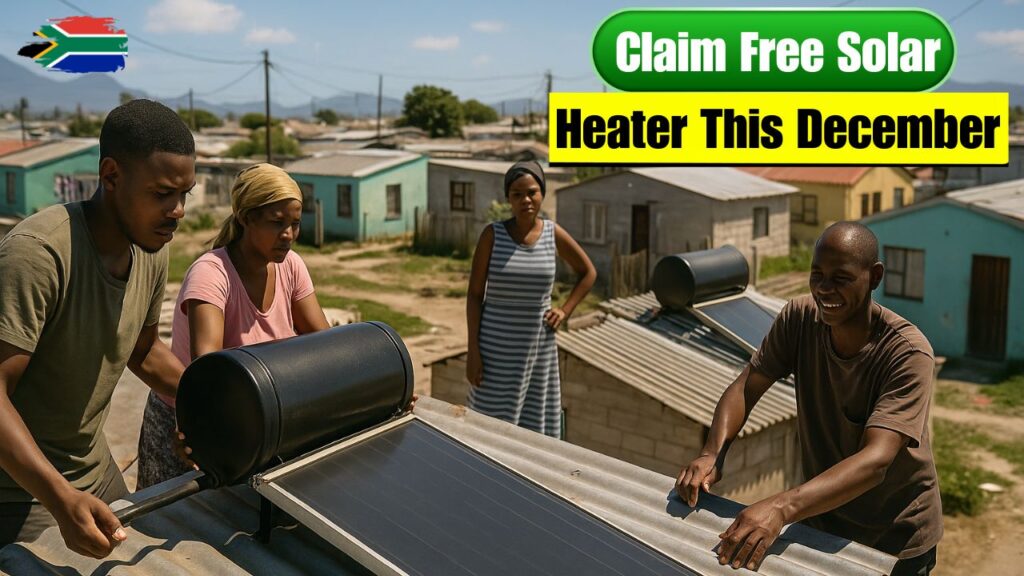
Transforming South African Townships with Free Solar Heaters
The rollout of free solar heaters will significantly improve everyday life for township residents. This program tackles expensive energy bills while promoting environmentally friendly habits within communities. These solar heaters will ease financial pressure on families by lowering their reliance on conventional electricity. The move toward renewable energy also supports worldwide climate action and positions

– South African townships as examples of sustainable living.
– Key objectives include providing free solar heaters to households and cutting electricity expenses for residents.
 Singapore Workfare 2025 — S$3,267 Payout Structure Explained for Employees and Self Employed
– The program aims to encourage sustainable energy practices and reduce carbon emissions.
– It will also strengthen local environmental projects.
Rollout Plan and Execution of the Solar Heater Project
The solar heater program will be carefully organized to achieve the best results. Each chosen township will get a customized plan that addresses its specific requirements and infrastructure problems. Local officials and energy specialists will work together to manage the installation and make sure the solar heaters are set up properly in homes. The program aims to involve community leaders and residents throughout this process to create a feeling of responsibility and engagement that will help the project succeed over time.
| Township Name | Total Population | Solar Heaters Planned | Estimated Savings (ZAR) | Rollout Start Date | Project Partners Involved | Primary Funding Source |
|---|---|---|---|---|---|---|
| Soweto | 1.3 million | 200,000 | R500 million | December 2023 | Local Government | National Energy Fund |
| Khayelitsha | 400,000 | 100,000 | R250 million | December 2023 | NGOs | International Grants |
| Alexandra | 180,000 | 50,000 | R125 million | November 2023 | Private Sector | Corporate Sponsorships |
| Mamelodi | 330,000 | 80,000 | R200 million | September 2023 | Community Groups | Government Subsidies |
| Mitchells Plain | 310,000 | 75,000 | R187.5 million | December 2023 | Energy Experts | Public Donations |
| Tembisa | 463,000 | 115,000 | R287.5 million | November 2023 | Universities | Research Grants |
| Umlazi | 404,000 | 100,000 | R250 million | December 2023 | Local Councils | Municipal Budgets |
| Diepsloot | 140,000 | 35,000 | R87.5 million | December 2023 | Social Enterprises | Charitable Funds |
Economic Growth and Green Benefits from Solar Heating
The growing use of solar heaters in these townships should bring important economic and environmental advantages. When households use solar energy they can significantly reduce their electricity bills and have more money available for other basic necessities. The decrease in electricity use also helps reduce pressure on the national power grid and lowers the chance of blackouts. From an environmental perspective this program will reduce carbon emissions because solar energy is clean & renewable and does not create harmful pollution.
– The main benefits include lower energy costs for families & less demand on the national electricity system.
– The initiative also promotes sustainable living habits while reducing environmental pollution.
– It encourages communities to adopt clean energy solutions that benefit both their finances and the environment.
Overcoming Challenges in Solar Heater Deployment
The solar heater program offers many advantages but faces obstacles that need solutions for it to work well. The main issue is the upfront expense and complexity of setting up solar heaters throughout large residential areas. The program tackles this problem by forming partnerships with government agencies and nonprofit groups while also bringing in private companies to providefunding and handle the setup process.
– Another difficulty involves teaching people how to operate and care for their solar heaters properly.
– The initiative responds to this need by offering detailed training sessions & educational workshops that give families the practical abilities and information they require.
– Build partnerships with organizations to secure funding. Create educational resources for community members.
– Maintain effective distribution & logistics systems. Work with local leaders to promote the program. Track progress & assess results regularly.
Key Partners Driving the Solar Heater Program
The solar heater program works because different groups cooperate with each other. Government agencies & local councils manage how the project runs while energy specialists provide guidance. Non-governmental organizations and community groups help by getting residents involved and teaching them about the benefits. Private companies support the program by providing money and technical knowledge that keeps it running over time. These groups want to build a system that other renewable energy projects can copy in different parts of the country. The main groups involved are national and local government offices.
– Non-governmental organizations also participate.
– Community groups from local areas contribute their efforts.
– Private businesses provide resources and expertise.
– Universities & research centers offer academic support.
Budgeting and Resource Distribution for Solar Heater Rollout
Getting enough money is critical for making the solar heater project work. The project uses different funding sources like government support programs grants from international organizations, money from companies, and donations from regular people. Smart planning makes sure all eight townships get fair support and installations finish on time. The team conducts regular financial reviews and shares clear reports to stay accountable and use money wisely. By spreading resources carefully across the project, the initiative wants to create the biggest positive effect possible and show other sustainable energy projects how to succeed.
Updated Funding Sources and Contributions
| Funding Source | Contribution |
|---|---|
| Government Grants | R325 million |
| International Aid | R210 million |
| Private Sector Sponsorships | R165 million |
| Community Donations | R95 million |
| Local Municipality Funds | R60 million |
| Scientific Research Grants | R80 million |
| Nonprofit Contributions | R30 million |
South Africa’s Long-Term Renewable Energy Roadmap
Looking to the Future The solar heater program represents just the beginning of South Africa’s path toward sustainable energy. The project shows that solar power works well & brings real advantages to communities. This demonstration aims to attract more funding for renewable energy projects across the country. The future plan involves several key steps. First is building more solar energy systems in different parts of South Africa. Second is supporting new ideas and developments in green technology. Third is helping people understand why protecting the environment matters. The ultimate aim is making South Africa a top renewable energy nation in Africa while growing the economy & protecting nature for future generations.
– Main Goals The program focuses on spreading solar energy systems to all parts of the country.
– It supports new developments in renewable technology.
– The initiative works to build lasting habits of sustainability & environmental care among citizens.
-South Africa wants to become the leading nation for clean energy in the region.
Tracking Progress and Future Opportunities in Solar Heating
To measure how well the solar heater program is working organizers have created a detailed evaluation system. The main measurements focus on how many heaters get installed and how much energy gets saved along with tracking the decrease in carbon emissions. Teams will conduct regular reviews to make necessary changes and improvements so the project stays on track with its goals. In the future this program could become a model for similar efforts in other areas while strengthening South Africa’s energy independence and environmental responsibility. Stakeholders can use lessons from this project to make better decisions for upcoming initiatives that support a cleaner and more sustainable environment.
– The evaluation process includes tracking how many installations are completed and monitoring the overall progress.
– Teams measure the amount of energy saved & calculate how much money households save on their energy bills.
– Environmental specialists assess the reduction in harmful emissions & the broader impact on air quality.
– Program managers collect feedback from participants and use this information to adjust their approach and improve the program over time.
2025 Sustainable Energy Project Performance Goals
| Performance Indicator | Target Outcome |
|---|---|
| Heaters Installed Nationwide | 800,000 units by 2025 |
| Estimated Energy Savings | R2 Billion Annually |
| Carbon Emissions Reduction | 500,000 Tons Per Year |
| Community Participation Level | High Engagement Across Provinces |
| Scalability and Replication | Full National Rollout by 2025 |
| Public Awareness Impact | 70% Increase in Visibility |
| Technical Innovation | Ongoing Technological Enhancements |
| Long-term Environmental Sustainability | Goals Achieved by 2030 |
South Africa has moved ahead with its solar heater program and now leads the way in using renewable energy. The project will improve people’s daily lives as it continues. It will also lower harm to the environment and encourage more sustainable energy projects throughout the country in the years ahead.