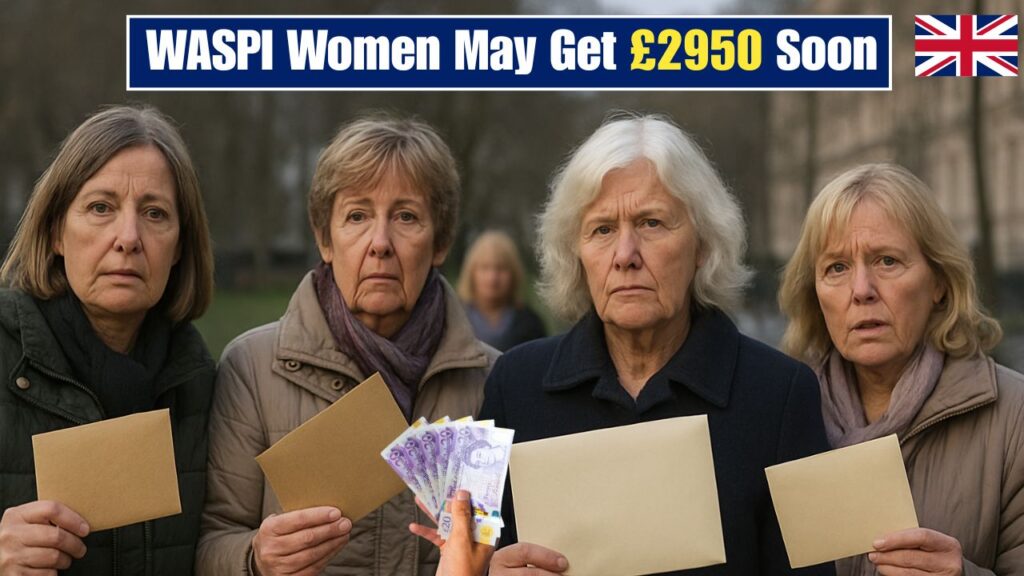
Women born in the 1950s are finally set to receive recognition for the hardship caused by sudden changes to the State Pension age. For years many expected to retire at 60 only to be told their pension age had been pushed back to 66. The lack of clear notice left thousands struggling to cope financially and emotionally. Now after years of campaigning the government has confirmed that eligible women will get a one-off tax-free payment of £2950 by December 2025.
Why the DWP’s Retirement Age Shift Sparked National Backlash
The problem started with the 1995 and 2011 Pensions Acts that were designed to create equality between men and women by increasing the pension age. The policy itself was not the issue but rather how it was communicated. Many women only found out about the change when they were in their 50s and it was too late to adjust their financial plans or retirement savings. Rather than enjoying the retirement they had planned for they had to work additional years and lost income. Some even had to rely on benefits to survive. This situation led to the creation of the WASPI campaign Women Against State Pension Inequality that has been fighting for compensation ever since.

Official Findings: Ombudsman Confirms Government Mismanagement in WASPI Case
In 2023 the Parliamentary and Health Service Ombudsman published its findings after investigating how the Department for Work and Pensions handled the pension age changes. The Ombudsman found that the DWP failed to properly inform women and described this as maladministration. As a result it recommended compensation of around £2950 for each woman affected. Although the Ombudsman cannot legally force ministers to pay the report increased political pressure. Eventually the government accepted the recommendation and confirmed that women would receive a one-off payment.
Breaking Down the £2,950 WASPI Compensation — What It Really Covers
The compensation is not meant to replace years of lost pension income but to recognize the distress and financial difficulties caused by poor communication. The confirmed amount is £2950 and it will be a one-off tax-free payment. Women born in the 1950s who were affected by the pension age rise will be eligible and payments are expected to be made by December 2025. Women will not need to apply for the compensation as the DWP has said the process will be automatic. However it is strongly advised that those expecting the payment check their State Pension records and ensure their address is correct & confirm that their bank details are up to date. This can be done through the official government website at gov.uk/check-state-pension.

Campaigners Celebrate Progress but Demand Full Justice for WASPI Women
The announcement has received mixed reactions. Campaigners see it as evidence that years of pressure have worked and that the government is finally recognizing the injustice. They view the payment as a hard-won victory after a long struggle. However many people think the amount is far too small. Some women lost tens of thousands of pounds in pension payments. To them the £2950 payment feels more like a symbolic gesture than proper compensation. The WASPI group has stated it will keep fighting for larger payments because this settlement does not adequately reflect the difficulties women experienced.
Next Steps for Affected Women — How to Prepare for the WASPI Payment
For women expecting the payout, the most important step is to make sure their DWP records are accurate. This includes checking their pension details and updating their address and bank details. Since the process will be automatic women do not need to apply for the money. However, having up-to-date records will help avoid delays when payments begin in 2025. It is also worth keeping an eye on official updates from the government through gov.uk where further details about the rollout will be announced.
December 2025 Payout Is Progress, But the Fight for Equality Continues
The £2950 compensation represents a significant moment after years of campaigning. For many women it feels like recognition that the government failed them. But it also highlights how much has been lost & how far campaigners still have to go. While this payout won’t erase the financial hardship or emotional distress it marks the first time the government has formally accepted responsibility. And for thousands of women across the UK that acknowledgment alone is an important step forward.