Canada’s Retirement Landscape is Changing Canada’s retirement system is about to undergo significant changes. The 2025 reforms to the Canada Pension Plan and Old Age Security are transforming how Canadians think about retirement. The traditional idea of retiring at 65 is quickly becoming outdated. These updates will affect how people plan their finances and what they can expect from their retirement income and lifestyle. Anyone who wants a secure and comfortable retirement needs to understand what these reforms mean for them. The changes represent a fundamental shift in retirement planning. Canadians will need to reconsider their savings strategies and retirement timelines. The reforms address concerns about the sustainability of pension programs as the population ages.
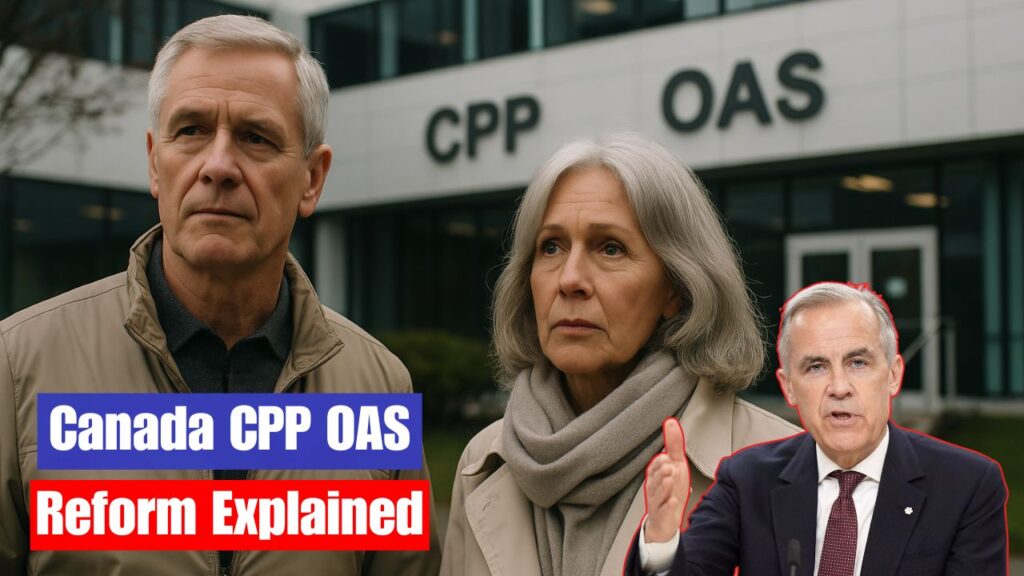
Decoding CPP and OAS: Essential Insights for Canadians
Before looking at the 2025 reforms you need to understand what CPP and OAS are. These programs form the backbone of Canada’s public retirement system. The Canada Pension Plan is a mandatory contributory program. Workers & employers both contribute a percentage of earnings throughout a person’s working life.

What is the Canada Pension Plan (CPP)?
The CPP is a social insurance program where Canadians contribute money during their working years to receive benefits later. It covers three main situations: retirement disability, & death of a contributor. Both workers and their employers pay into the system based on how much the worker earns. The program aims to replace part of your income when you stop working. When you retire, the CPP provides monthly payments to help cover your living expenses. The amount you receive depends on how much you contributed and for how long. Most Canadians can begin collecting CPP retirement benefits as early as age 60. However, starting early means your monthly payment will be smaller than if you wait. On the other hand, you can delay receiving benefits until age 70 to get larger monthly payments. The standard age to start CPP without any reduction or increase is 65.
 Singapore Workfare 2025 — S$3,267 Payout Structure Explained for Employees and Self Employed
What is Old Age Security (OAS)?
Old Age Security is a government benefit that comes from general tax money. You don’t need to pay into it during your working years like you do with the Canada Pension Plan. Instead, OAS is available to all Canadians who reach a certain age & have lived in Canada long enough to qualify. The program gives retirees a basic level of income to help cover their living expenses. For many years, people could start receiving OAS payments when they turned 65. However the 2025 reforms are introducing changes to this age requirement that will affect when Canadians can begin collecting their benefits.
Breaking Down the 2025 Reforms: Key Changes You Must Know
2025 CPP & OAS Reforms: A Major Policy Change The 2025 reforms to the Canada Pension Plan and Old Age Security represent a major shift in government policy that hasn’t been seen in many years. These changes aim to tackle several pressing issues facing the country’s retirement system. Canada’s population is aging rapidly. People are living longer than previous generations.
Raising the Age for OAS
One of the biggest changes involves gradually increasing the age when people can start receiving OAS benefits. The eligibility age used to be 65 but new reforms will slowly raise this number. The goal is to keep the program financially stable since Canadians are living longer than before. This shift means anyone planning to retire at 65 must rethink their plans and adjust their financial strategies to handle the wait for OAS payments.
Changes to CPP Contributions and Benefits
The CPP is undergoing modifications that impact what you pay in and what you receive later. The government is rolling out gradual increases to contribution rates that will continue for several years. This means workers will see more money deducted from their paychecks now. However these higher contributions will result in bigger retirement payments down the road. The updates are designed to motivate Canadians to extend their careers & build larger savings. This approach acknowledges that people are living longer than previous generations.
Phasing Out Early Retirement Benefits
The 2025 reforms work to slowly discourage early retirement. The government reduces the benefits of claiming payments before a specific age. This pushes Canadians to stay employed longer. The changes address two main concerns. First is the long-term stability of the pension system. Second is making sure retirees get adequate income when they finally stop working.
Retirement Planning Redefined: How the Updates Impact Your Future
The changes to CPP and OAS mean Canadians need to look at their retirement plans differently. Many people may find that planning to retire at age 65 does not make financial sense anymore.
Longer Working Life
The rising OAS age and reduced early retirement benefits mean many Canadians will likely work longer than they once planned. This shift impacts more than just income. It also affects lifestyle planning, health considerations and career decisions.
Impact on Retirement Income
When you delay receiving OAS & change how you contribute to CPP, your retirement income will be affected in specific ways. If you work longer and keep paying into CPP, you will likely get bigger monthly payments from that program once you retire. However, waiting to collect OAS means you might face a period where you have less money coming in than expected. This gap can happen during the first few years after you stop working. To avoid running into money problems during this early retirement phase you need to create a solid financial plan ahead of time. Think about how you will cover your expenses during the months or years before your OAS payments begin. This preparation helps ensure you can maintain your lifestyle without unnecessary financial pressure.
Importance of Private Savings & Investment
With these reforms taking place private savings and employer pensions along with investment strategies are now more important than before. Canadians should not depend only on CPP & OAS to fund a comfortable retirement. Creating a diversified retirement portfolio & using tax-advantaged accounts such as RRSPs and TFSAs will help cover potential shortfalls in income.
Smart Adaptation: Tactics to Navigate the CPP and OAS Changes
Adaptation Making changes to fit new financial reforms means you need to plan ahead & make smart choices with your money.
Think About When You Want to Retire Take some time to decide if retiring at age 65 still makes sense for your situation. Working for a few more years might give you much better financial stability when you finally stop working. Look at what kind of lifestyle you want during retirement and think about your current health situation. Also review all the different ways you might earn money after you stop working full time. All of these factors will help you figure out the right age to retire that actually works for your personal circumstances.
Maximize CPP Benefits
Higher contributions result in bigger payouts when you retire. You might want to consider waiting to claim your CPP benefits after age 65. This delay can significantly boost your monthly payments & give you a larger steady income during your later retirement years.
Building Extra Ways to Earn Money Creating more than one source of income beyond what the government provides is important for financial stability. Putting money into stocks or bonds or buying property or other investments gives you more options and protection for your future. Making regular deposits into retirement savings accounts adds up over time and can grow into a solid financial cushion that protects you later in life.
Future Outlook: What Canadians Should Expect from Long-Term Reform Effects
The 2025 reforms are more than just a policy adjustment—they represent a significant shift in how Canadians need to plan for retirement.
Financial Sustainability
The reforms are designed to ensure the long-term stability of Canada’s public pension system. By delaying Old Age Security (OAS) eligibility and modifying Canada Pension Plan (CPP) contributions, the government aims to reduce potential funding shortfalls as the population continues to age.
Changing Retirement Norms
Canada is moving away from the traditional idea of retiring at 65. This change could reshape societal expectations around work, leisure, and aging, encouraging Canadians to stay active in the workforce longer while preparing for a more financially secure retirement.
Intergenerational Considerations
Younger Canadians entering the workforce will contribute more but may receive higher benefits in the future. This approach seeks to protect upcoming retirees while maintaining fairness across different generations.
Securing Your Retirement: Action Steps in the New CPP and OAS Era
Canada’s CPP and OAS reforms in 2025 bring both challenges and opportunities. By understanding these updates and planning strategically, Canadians can protect their financial future and still enjoy a fulfilling retirement.
Steps to Take Now
– Review your current retirement savings and projected income.
– Adjust retirement age expectations based on OAS eligibility.
– Increase contributions to CPP and personal savings accounts where possible.
– Explore additional investment and income strategies to fill potential gaps.
– Consult with a financial advisor to create a personalized, flexible retirement plan.
The retirement landscape in Canada is changing. While retiring comfortably at 65 may become less certain, proactive planning, informed decisions, and diversified financial strategies can ensure a secure and enjoyable retirement under the 2025 CPP and OAS reforms. Understanding these changes today allows Canadians to navigate their retirement tomorrow with confidence and clarity.