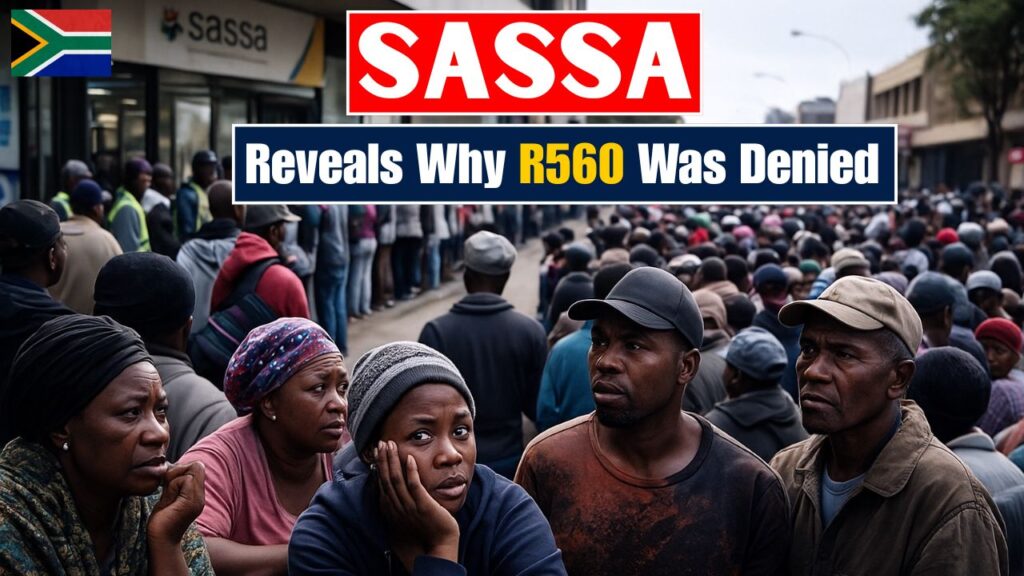
On December 4 many South Africans encountered an unexpected problem when they lost R560 from their social grants because of unclear rules in the SASSA system. This sudden situation left many beneficiaries confused & worried about their finances. The South African Social Security Agency provides essential support to millions of people so any disruption creates serious problems. The issue happened because of complex rules that were not properly explained to the public. This caused widespread confusion and resulted in financial losses for many people. Learning about these rules is important for beneficiaries & for people who want a clearer and fairer welfare system in South Africa.
Understanding the December 4 Grant Issue
The South African Social Security Agency (SASSA) provides crucial financial support to many people who need it. On December 4 a large number of beneficiaries did not receive their expected R560 payment because of rules that had not been clearly explained to them beforehand. This situation has raised questions about how transparent the agency is and whether it communicates effectively with the people it serves. The rules causing the problem are often buried in complicated policy documents that ordinary citizens cannot easily find or understand. This creates confusion & leaves people with incorrect expectations about what they will receive. The consequences of this problem were felt throughout the country because many people depend on this grant to pay for basic daily needs.

– Most beneficiaries had no idea that the rules had changed.
– The complicated language used in policy documents made the situation worse.
 Singapore Workfare 2025 — S$3,267 Payout Structure Explained for Employees and Self Employed
– This incident showed that SASSA needs to improve how it communicates with the people who rely on its services.
Key Factors Behind the Grant Disruption
The SASSA grant payment problems on December 4 happened because of several reasons. The main issue was that officials did not properly inform people about the new rules. The new regulations were also too complicated and nobody made them easier for regular citizens to understand. Many people had no idea what was happening. The old computer systems that SASSA uses could not manage the new rules properly. All these problems happened at the same time and caused many South Africans to not receive their money.
– Officials did not spread information about the rule changes to enough people.
– The regulations were written in a confusing way instead of using simple language.
– The computer systems were too old to handle what the new rules required.
– Most people did not know who to ask when they had questions.
– The government needs to create policies that are much clearer and easier to follow.
Examining SASSA’s Response to the Crisis
| Response Strategy | Implementation | Outcome |
|---|---|---|
| Public Apology | Immediate | Partial Public Assurance |
| Policy Review | Ongoing | In Progress |
| Communication Plan | Developed | Pending Execution |
| System Upgrade | Scheduled | Future Benefit |
| Beneficiary Feedback | Collected | Analysis Phase |
| Stakeholder Engagement | Initiated | Collaborative Efforts |
| Transparency Report | Drafted | Awaiting Release |
Lessons Learned and Future Prevention
The December 4 grant issue taught SASSA important lessons about being open & keeping people informed. The agency now wants to create better ways to communicate so that everyone who receives grants knows about policy changes. SASSA is working to make policy documents easier to understand by using simpler words. The agency also plans to improve its computer systems so they can manage complicated rules more effectively and stop service problems from happening again.

Impacts on Beneficiaries and Community
| Impact | Details | Suggested Response |
|---|---|---|
| Financial Strain | Immediate loss of R560 | Emergency Support Initiatives |
| Trust Erosion | Reduced confidence in SASSA | Trust-Building Measures |
| Community Support | Increased reliance on local charities | Strengthen Community Networks |
| Information Gaps | Lack of clarity on rule changes | Educational Programs |
| Policy Awareness | Limited knowledge of entitlements | Awareness Campaigns |
| Beneficiary Engagement | Increased calls for participation | Feedback Mechanisms |
| Advocacy Efforts | Push for more inclusive policies | Collaborations with NGOs |
| Social Media Response | Viral discussions online | Social Media Strategy |