Driving after age 65 has become an important topic in Canada as new driving rules and license renewal guidelines take effect in 2025. Senior drivers remain active members of society and the government wants to maintain road safety while preserving their independence. The updated policies address medical fitness standards and vision testing along with ongoing driver assessment programs that promote safe mobility. Seniors who drive and their family members need to understand these updates to stay compliant and confident on Canadian roads. The changes reflect a balanced approach to senior driving. Older drivers bring experience to the roads but may face age-related challenges that affect their driving ability.
Updated 2025 Driving Regulations for Over-65 Canadians
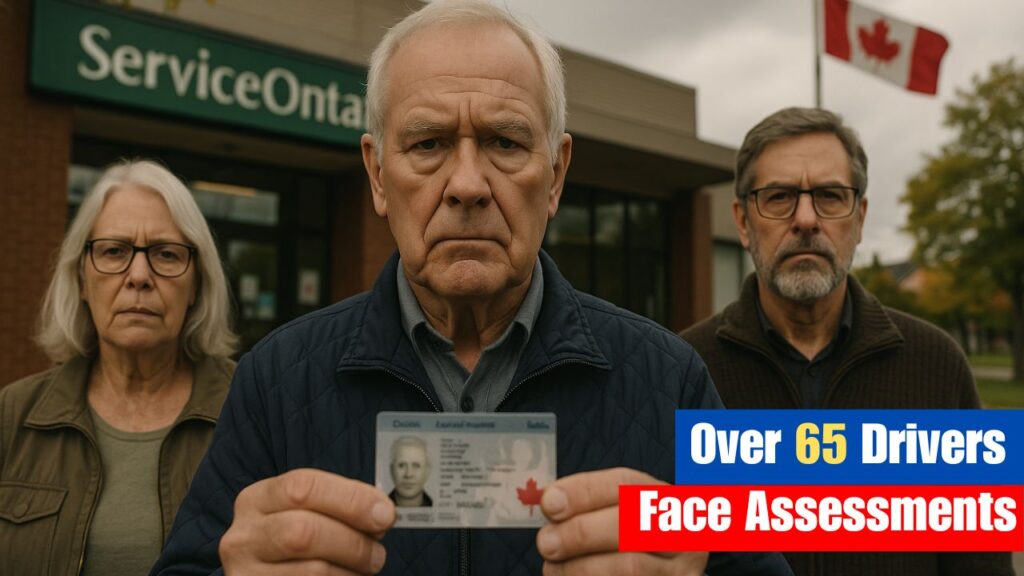
Starting in 2025 Canada’s provincial transport departments have introduced revised measures for drivers aged 65 and above. The main focus is on safe driving practices and periodic re-evaluation to ensure that older drivers maintain essential motor and cognitive skills. In provinces like Ontario and British Columbia seniors are now required to undergo mandatory vision tests and report medical conditions affecting their driving ability. Authorities are also offering optional refresher courses to help senior citizens stay updated with traffic laws & vehicle safety features while promoting both road safety awareness and personal confidence.

Revised Licence Renewal Steps for Senior Drivers in Canada
Renewing a license after age 65 now requires additional steps that vary by province. Drivers typically need to complete age-related assessments and submit a medical report from a licensed practitioner. Some drivers may need to attend an in-person interview or take an on-road evaluation if concerns arise. The renewal schedule has also been updated in many provinces from every five years to every two years. These updates are designed to maintain road safety while supporting the independence of older adults who depend on their vehicles for everyday transportation.
Mandatory Medical and Vision Assessments for 65+ Applicants
The 2025 framework introduces stricter medical eligibility standards as one of its most important updates. Senior drivers must now submit a certificate that confirms their visual acuity & overall fitness to drive. Most provinces require a vision standard of 20/50 or better with or without corrective lenses. Drivers must also regularly report conditions such as diabetes epilepsy or cardiovascular diseases to licensing authorities. This proactive system helps detect potential risks early while giving older adults access to rehabilitation or training programs that help them maintain safe driving skills.
 Singapore Workfare 2025 — S$3,267 Payout Structure Explained for Employees and Self Employed
| Age Group | License Renewal Frequency | Medical/Vision Test Required | Special Notes |
|---|---|---|---|
| 65–69 Years | Every 3 Years | Vision Test Only | Optional refresher course available |
| 70–79 Years | Every 2 Years | Vision + Medical Test | Doctor’s clearance required for chronic illness |
| 80+ Years | Every 1 Year | Full medical and cognitive test | On-road test may be requested |
Tips for Safe Driving Beyond 65
Senior drivers can maintain their independence by following straightforward and practical advice. Regular health checkups are important to track any conditions that might affect alertness or coordination. Keeping your vehicle equipped with key safety features like blind-spot monitors or rearview cameras is beneficial. If vision becomes less dependable it makes sense to reduce night driving and stay off the roads during rush hour when traffic is heaviest. Taking part in driver refresher courses is valuable because these programs help improve skills and provide updates on current road rules. Being proactive about these measures helps ensure that driving stays safe and pleasant for older Canadians.