South Africa is a country where water remains a valuable resource and supply disruptions happen regularly. Many people have grown used to dealing with occasional water outages but the causes behind these problems are not always clear. Citizens need to understand what creates these issues and what their local municipalities are doing to fix them. When we look more closely at the reasons behind recent water outages we can better understand how complicated these situations are and push for local authorities to be more open and responsible about their actions.
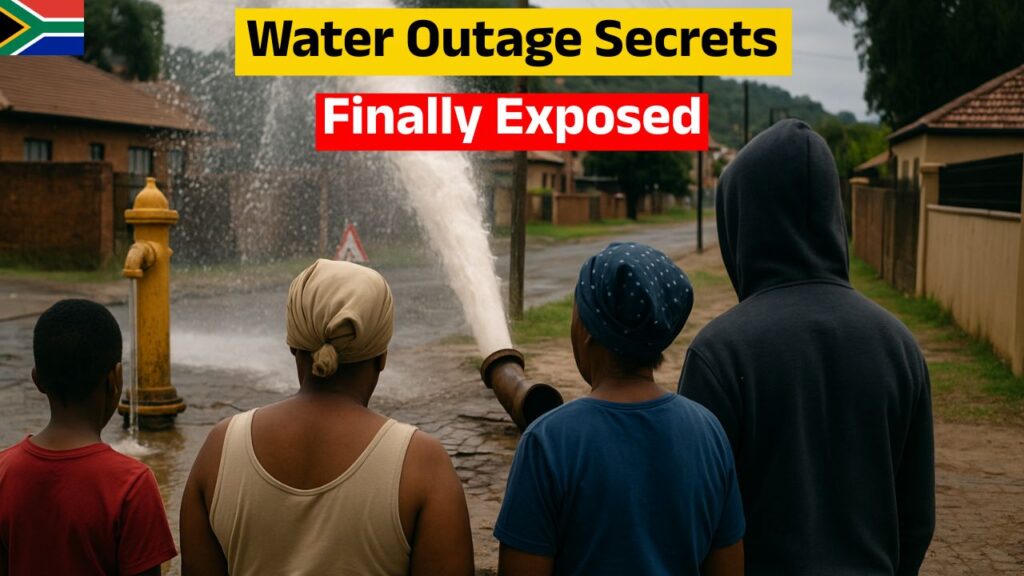
Understanding the Causes of Water Outages in South Africa
Water outages in South Africa happen for many different reasons that include problems with infrastructure and environmental issues. The main problem is that much of the water system is old and has not been properly maintained or updated. This leads to regular breakdowns and service interruptions. Climate change has made the situation worse because long periods of drought put extra pressure on available water supplies. Cities face additional challenges because their populations are growing quickly and more people need water. When all these problems combine local governments find it hard to provide enough water to meet the needs of everyone living in their areas.

Municipal Strategies for Managing Water Outages
South African municipalities have been working on different ways to reduce the effects of water shortages on their communities. One method involves water conservation programs that promote smarter use of available resources. Municipalities are also putting money into improving infrastructure but these projects frequently get delayed because of limited funding. During severe shortages emergency measures like water tankers and community water points are brought in to maintain access to basic water supplies. While these actions provide some relief they often prove inadequate when there is not enough public involvement & clear communication. Water conservation initiatives. Infrastructure investment and upgrades. Emergency water supply measures. Public engagement and transparency efforts.
Transparency and Accountability What Needs to Change
Municipalities need to be transparent and accountable to manage water resources effectively. Residents should know why water outages happen and what steps are being taken to fix them. They also need information about how they can help conserve water. Better communication through local media and community meetings can help share this information. Municipal officials should also face stronger accountability measures so they are responsible when service delivery fails.
 Singapore Workfare 2025 — S$3,267 Payout Structure Explained for Employees and Self Employed
| Issue | Current Approach | Suggested Improvement |
|---|---|---|
| Communication | Infrequent updates | Regular community briefings |
| Infrastructure | Delayed upgrades | Prioritized investment |
| Accountability | Limited oversight | Strengthened policies |
The Role of Technology in Water Management
Technology offers ways to improve water management and solve problems that South African municipalities face. Smart water management systems can track water usage as it happens and find leaks quickly before they cause major losses. Digital platforms also help municipalities communicate clearly with residents by providing regular updates & letting people share their concerns. When municipalities use these technologies effectively they can make better use of their resources and deliver better services. This approach helps reduce how often water outages happen and makes them less severe when they do occur.
| Technology | Function | Benefit |
|---|---|---|
| Smart Meters | Track consumption | Improve efficiency |
| Leak Detection Systems | Detect leaks early | Prevent resource loss |
| Communication Platforms | Share information | Boost transparency |