South Africa is implementing new divorce laws this November that will change how couples handle their separation. These legal updates will affect how assets get divided between spouses. Many people might lose half of their property if they do not understand these changes properly. The new amendments have created worry among South African residents. People going through divorce need to pay attention to these legal reforms because they will directly impact their financial situation. Understanding how these laws work has become essential for anyone dealing with marriage dissolution.
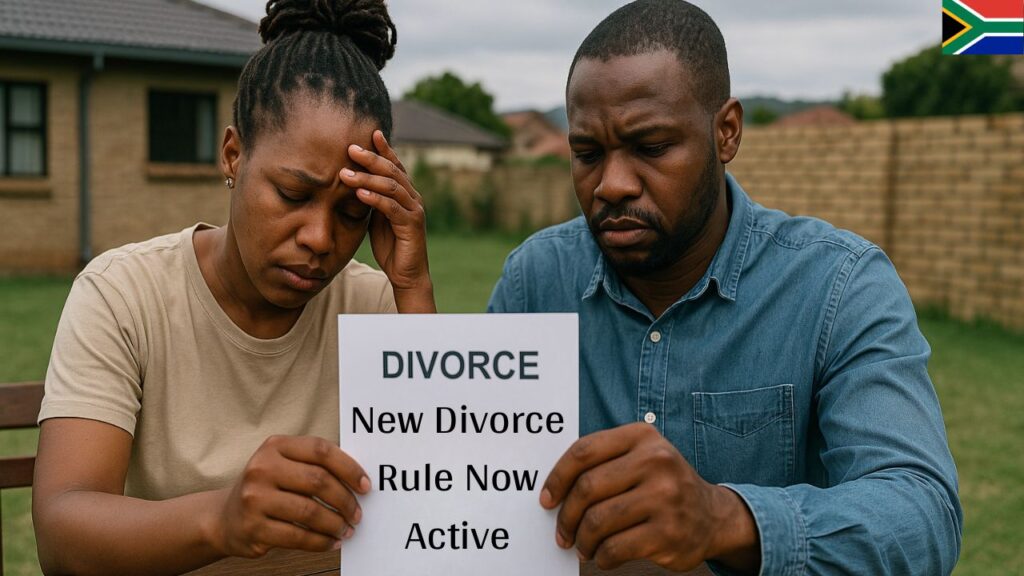
Understanding the November 2025 Divorce Law Amendments
The November 2025 changes to South Africa’s divorce laws have introduced important updates to how married couples divide their property when they separate. These updates were designed to make the legal process smoother and to ensure that assets are shared fairly between both parties. At the same time they have created new complications that might result in unexpected losses of property rights. The main focus of these legal changes is on fair division of property that couples obtained while they were married. The new rules stress the importance of openness & fairness throughout the process. Lawyers recommend that married couples take another look at any prenuptial agreements they signed and make sure they fully understand what these new laws mean for their situation. This knowledge is essential for protecting their property rights and financial interests. The new laws require that assets gained during the marriage be distributed fairly between both spouses.

– Prenuptial agreements that were signed before these changes may now be affected in ways that couples did not anticipate.
– The government has placed stronger requirements on couples to be transparent about their finances & assets during divorce proceedings.

– concern is that people might accidentally lose their rights to certain properties if they do not understand the new requirements properly.
– Because of these complications getting proper legal advice has become more important than it was before.
– The government has started running public information campaigns to help people understand their rights under the updated laws.
– These changes may also affect marriages where one or both spouses are from other countries.
– International couples need to pay special attention to how these South African laws interact with the legal systems of their home countries.
How the New Divorce Laws Could Affect Your Property
The new divorce laws in South Africa may change how couples split their property when they separate. The updated rules emphasize fair distribution of assets between both parties. This means some people might end up giving away half of what they own without realizing it beforehand. The changes are designed to fix old problems where assets were not divided fairly. However they create potential issues for anyone who does not fully understand the new requirements. These laws cover all marriage types in the country. This includes civil unions and customary marriages. Because of this wider scope the regulations will affect many different groups of people across South African society.
Key Considerations for Couples
| Aspect | New Regulation | Potential Impact | Recommendations |
|---|---|---|---|
| Asset Division | Equitable Distribution | Possible 50% Forfeiture | Seek Legal Advice |
| Prenuptial Agreements | Review Required | Increased Transparency | Update Contracts |
| Marital Property | Broad Definition | Inclusion of All Assets | Inventory Valuations |
| Customary Marriages | Full Inclusion | Broader Impact | Understand Legal Rights |
| International Marriages | Cross-Border Implications | Complex Legalities | Consult International Experts |
| Legal Costs | Potential Increase | Financial Strain | Budget Planning |
| Children’s Welfare | Considered Separately | Possible Delays | Prioritize Agreements |
| Public Awareness | Ongoing Campaigns | Increased Understanding | Attend Workshops |
Steps to Protect Your Assets Under New Divorce Laws
With divorce law changes from November 2025 approaching people need to take action now to protect their assets. The first thing to do is understand how these new rules might affect your personal situation. Speaking with lawyers who focus on family law can give you specific advice and plans. You should also review any prenuptial or postnuptial agreements you have to make sure they match current laws. Keeping your list of assets and their values up to date is smart too because it helps prevent arguments during divorce proceedings.The divorce law changes from November 2025 make it important to protect your assets ahead of time. Start by learning how these new rules might affect your personal circumstances. Speaking with family law specialists can give you advice that fits your specific needs. You should also look over any prenuptial or postnuptial agreements you have to make sure they match current laws. Keeping your asset records & valuations up to date helps prevent arguments when going through a divorce. Talk to family law specialists.
– Check and update prenuptial agreements.
– Keep detailed records of assets.
– Learn about international effects.
– Think about alternative ways to resolve disputes.
– Attend legal workshops to stay current.
Common Mistakes to Avoid During a Divorce
Divorce is a complicated and emotional experience. Under the new laws people need to watch out for several mistakes that could cost them money. A big error is not updating or checking prenuptial agreements. This oversight might result in losing assets you did not intend to give up. Another problem happens when people fail to maintain thorough records of what they own and owe. Without proper documentation it becomes hard to demonstrate ownership or establish value when going through divorce proceedings. Making quick decisions without talking to a lawyer is also risky. This approach often leads to settlements that work against your interests. Finally many people underestimate how important clear communication is during this process. When couples avoid honest discussions it creates more conflict and makes reaching agreements much harder.
The Role of Legal Consultation in Divorce Proceedings
Getting legal advice is essential when dealing with divorce in South Africa because the laws have recently changed. A good attorney helps you understand what you are entitled to and what you must do under the new rules. They can review any prenuptial agreements you have and give advice about dividing property and assets. Your lawyer makes sure your interests stay protected from start to finish. They can also explain other ways to resolve disputes that might help you and your spouse reach a friendlier agreement. Since divorce involves so much at stake it is more important than ever to hire a capable lawyer.
– Understanding Your Legal Rights and Responsibilities When you enter into a marriage or partnership you take on certain legal rights and responsibilities.
– These affect how you own property make financial decisions, & handle obligations to each other.
– Knowing what the law requires helps you make informed choices about your relationship and your future.
– Reviewing and Modifying Prenuptial Agreements A prenuptial agreement is a contract you create before marriage that outlines how you will handle finances & property.
– Over time your circumstances may change through career developments, inheritances, or having children.
– It makes sense to review your prenuptial agreement periodically to ensure it still reflects your current situation and intentions.
– You can update these agreements when both parties agree to the changes.
– Getting Advice on Dividing and Safeguarding Assets Deciding how to divide property & assets can be complicated.
Impact of New Laws on Asset Distribution

| Asset Type | Possible Changes |
|---|---|
| Real Estate | Equitable Division |
| Business Interests | Shared Ownership |
| Investment Portfolios | Proportional Split |
| Personal Property | Individual Assessment |
| Debts and Liabilities | Shared Responsibility |
| Inheritance | Potential Inclusion |
| Pension Funds | Equitable Sharing |
| Luxury Items | Market Valuation |